Options for Taking Music Lesson in Toronto: A Buyer’s Guide (2025)
Looking for the best music lessons in Toronto? Compare private teacher platforms, music schools, online lessons, and apps in Toronto.
 Elijah Baker
Toronto is a vibrant hub for music education in Canada. Students of all ages seek to learn to play piano, guitar, and singing to name a few. The following guide will help you choose the best music lessons options to meet your needs. For example, there are many local music schools, music lesson platforms ( that offer online or in person lessons with private music teachers), or even apps and free online content on Youtube. This guide will help you understand the pros and cons of each option, so you can make the right choice for your level, and unique needs.
Table of Contents
Private Teachers via Platforms
| Category | Examples | Pros | Cons |
|---|---|---|---|
| Private Teachers via Platforms | Musiprof, Superprof, Toronto Piano Teachers | Flexible scheduling (miss lessons, bi-weekly, etc.) Adaptable content (student-driven, not only RCM) Large teacher variety — hundreds, not just a handful Flexible pricing and locations city-wide Musiprof vets teachers; organizes recitals and band programs | Some platforms don’t vet teachers Not all offer recitals (Musiprof may add in Toronto) Less community atmosphere than schools Studio quality can vary (some home-based) |
| Online Private Lessons | Lessonface, Musiprof (online), Superprof | Access to global specialists (e.g., Moeller technique, Brazilian guitar) Flexible scheduling, no commute Potentially lower pricing (global market) Choice of online-only or hybrid platforms | Less fun/social than in-person Lag prevents real “play-along” Requires good home setup Less personal than in-person lessons |
| Private Music Schools | Toronto Arts Academy, Greater Toronto Music | Fun and engaging lessons Community atmosphere & socialization Recitals and events provide performance opportunities Adaptable programs for different ages | Lower teacher pay (~$27/hr) → harder to retain experience Less suitable for adults seeking specialization Inflexible scheduling (semester-based) Limited to 1–2 locations |
| Music Conservatories | Glenn Gould School, Phil & Eli Taylor Academy, Oscar Peterson School of Music | Structured programs with strong classical foundations Recognized certifications (RCM, diplomas) Results-driven training with clear goals | High fees (lessons, exams, materials) Inflexible scheduling Limited scope (classical only) Less creative freedom |
| Apps | Simply Piano, Yousician, Flowkey | Affordable monthly subscriptions Gamified & motivating (points, streaks) Play-along tools with popular songs Performance tracking with scores Accessible anytime on phone/tablet | Covers basics only; not deep long-term No human feedback → risk of bad habits Doesn’t adapt to personal goals Most learners hit a wall without a teacher |
| Online Content (Free/Paid) | YouTube (free), Masterclass, Udemy | Huge variety of material across instruments/styles Free (YouTube) or inexpensive (paid courses) Paid programs are structured and beginner-friendly | Hard to navigate; easy to get lost Weak on building fundamentals No personal feedback No chance to play with others |
Private Teachers via Platforms
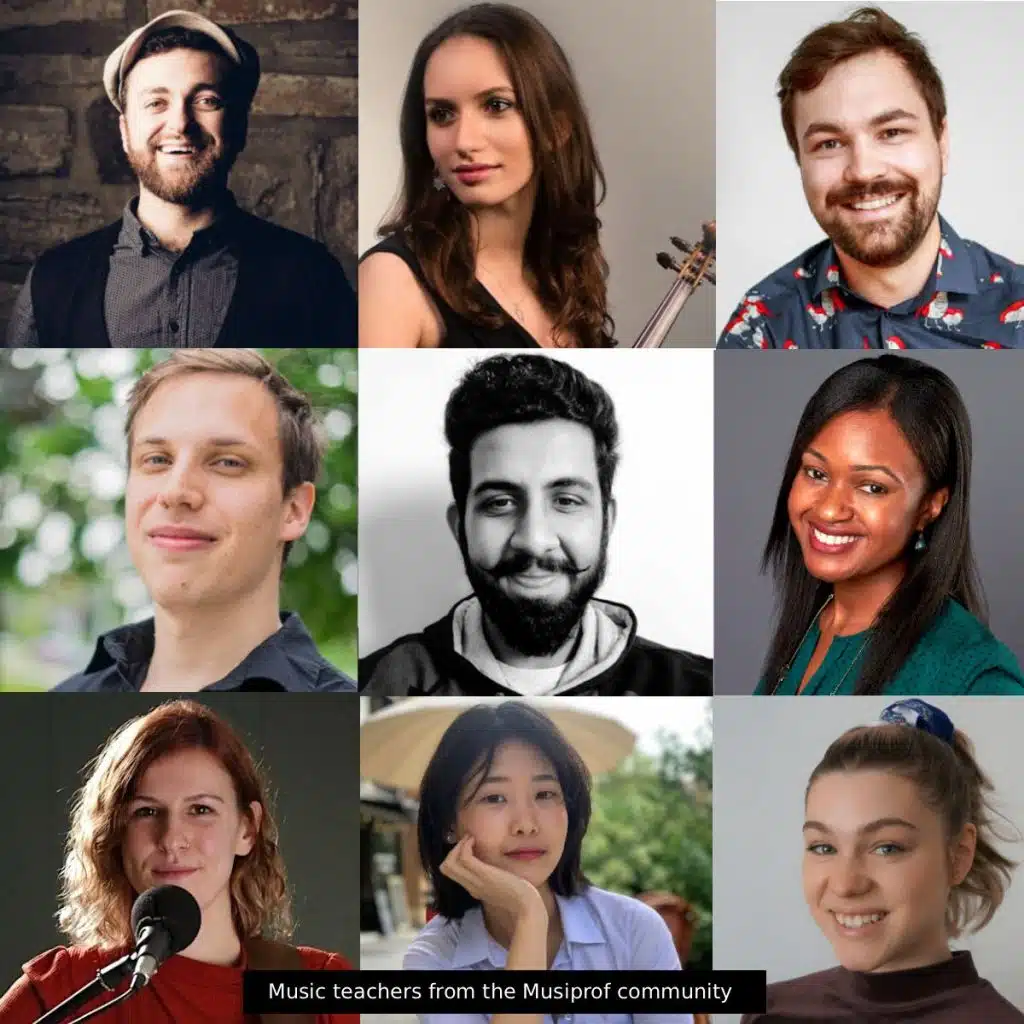
Platforms connect students with a wide range of teachers across Toronto, offering far more variety and flexibility than traditional schools. Depending on the platform, the experience can vary significantly.
✅ Best For
Adults with busy schedules, hobbyists, or children who need flexible scheduling and pricing, or who prefer to find a teacher nearby to minimize travel. It’s also ideal for anyone who wants the freedom to choose a teacher who matches their unique interests.
Pros
- Flexible scheduling: Ideal if you travel for work, can’t commit to weekly lessons, or want to space lessons every two weeks.
- Personalized content: Many teachers adapt lessons to your favorite styles instead of following strict programs like RCM.
- Wide variety of teachers: Hundreds of options across instruments and styles. much more than the handful available in most schools.
- Choice of platforms:
- Musiprof: Teachers are vetted for quality, and community features like recitals and band programs are included.
- Superprof: A very large platform, but anyone can list themselves as a teacher, so quality varies.
- Toronto Piano Teachers: Focused on piano only, with no community events or extras.
Cons
- Inconsistent vetting: On platforms like Superprof, it’s up to students to check qualifications and reviews.
- Limited community: Since lessons are private, there’s no built-in group atmosphere.
- Studio quality varies: Some teachers may teach from apartments or home studios.
- Recitals not always offered: Musiprof organizes them in select cities, but many other platforms don’t.
Online Private Lessons
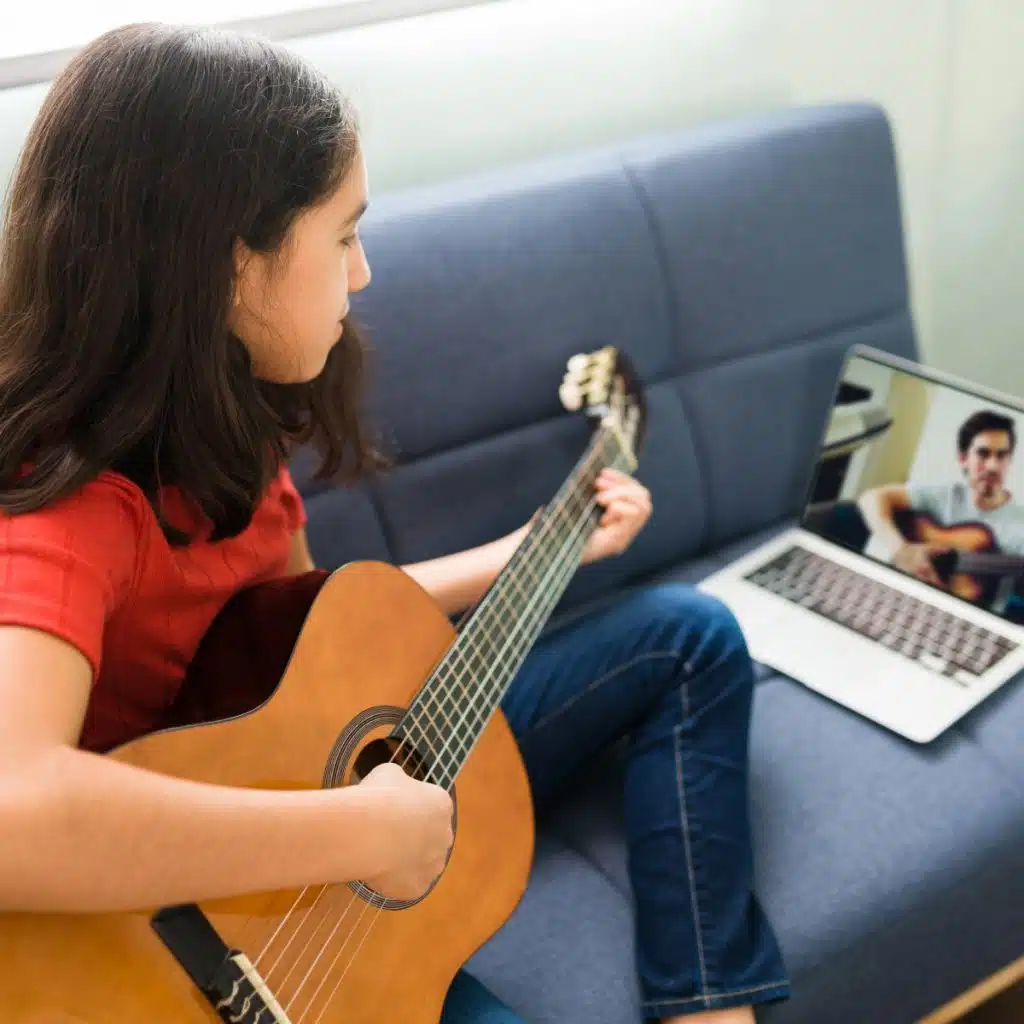
Online lessons allow students to connect with teachers anywhere in the world, which opens the door to learning unique styles or specialized techniques that may not be available locally.
✅ Best For
Students who want flexibility, access to international expertise, or those living outside major city centers.
Pros
- Global access: Study with experts worldwide. for example, bossa nova with a Brazilian guitarist.
- Flexible format: Learn from home without commuting.
- Choice of platforms:
- Lessonface: An online-only platform with clear policies and fair pricing. Strongest coverage is in the U.S. and Canada, with some international options.
- Superprof and Musiprof: Offer both online and in-person lessons, giving you flexibility to switch formats with the same teacher.
- Pricing variety: Since teachers may live in countries with different costs of living, students can sometimes find more affordable lesson rates.
Cons
- Tech requirements: A stable internet connection, good camera, and decent microphone are important for a smooth lesson experience.
- Less interactive: Because of internet lag, it’s hard to play in real time with your teacher.
- Less social: Online lessons lack the fun of sharing space with your teacher or other students.
Private Music Schools
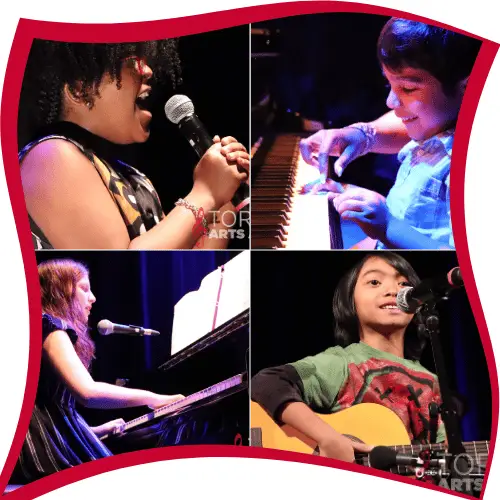
Private music schools are a popular option in Toronto. They usually operate from one or two locations and provide lessons in multiple instruments. They often emphasize fun and community, making them a welcoming choice for many families.
✅ Best For
Children and beginners who thrive in a social, community atmosphere and enjoy learning in a fun, structured environment.
Pros
- Fun and engaging: Lessons often focus on enjoyment and building confidence.
- Community atmosphere: Students can meet others, creating a sense of belonging.
- Recitals and events: Opportunities to perform in public help build stage experience and confidence.
- Adaptable programs: Many schools adjust their programs for different ages and interests, making them less strict than conservatories.
Cons
- Lower teacher pay: For example, Toronto Arts Academy advertises around $27/hr, which can make it harder to retain highly qualified, experienced teachers.
- Less suitable for adults: Adults often prefer more flexible, specialized teachers, which schools may not offer.
- Inflexible scheduling: Classes typically follow a semester structure, so missing lessons or adjusting schedules is harder.
- Limited locations: Students may have to travel across the city to reach one of the school’s few sites.
Music Conservatories
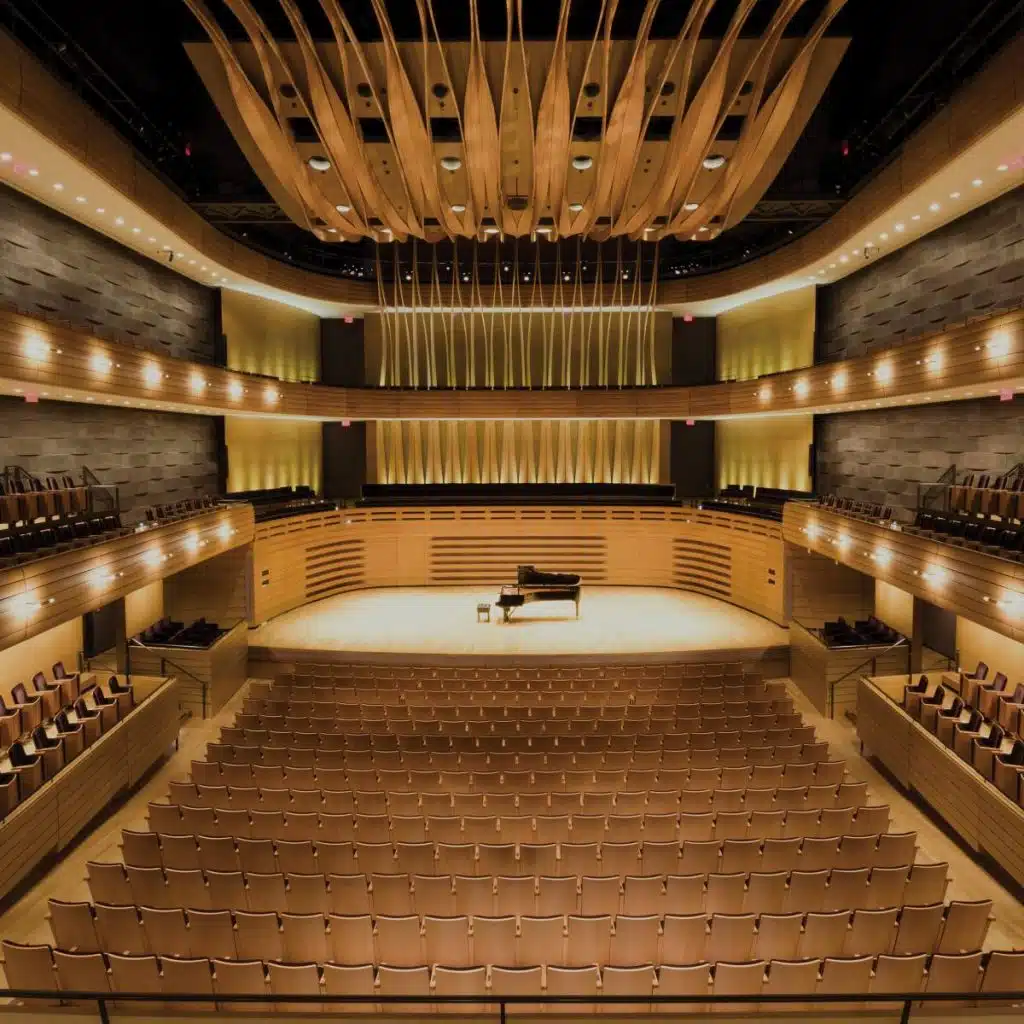
Conservatories represent the most traditional and rigorous form of music education. Schools like the Glenn Gould School, the Phil and Eli Taylor Performance Academy for Young Artists, and the Oscar Peterson School of Music focus on structured, exam-driven training in classical music.
✅ Best For
Serious students aiming for recognized certifications (RCM, diplomas), auditions, or professional music careers.
Pros
- Structured programs: Build strong technical and theoretical foundations.
- Recognized certifications: Diplomas and RCM exams carry prestige and are often required for university music programs.
- Focused training: Results-driven, with a clear curriculum and expectations.
Cons
- High costs: Lessons, exams, registration, and materials can all be expensive.
- Inflexible scheduling: Programs often follow fixed terms and strict requirements.
- Limited scope: Focuses mainly on classical instruments and repertoire (no drum set, contemporary, or genres like rap).
- Less creative freedom: Not ideal for students who want to explore personal interests or non-classical styles.
Apps
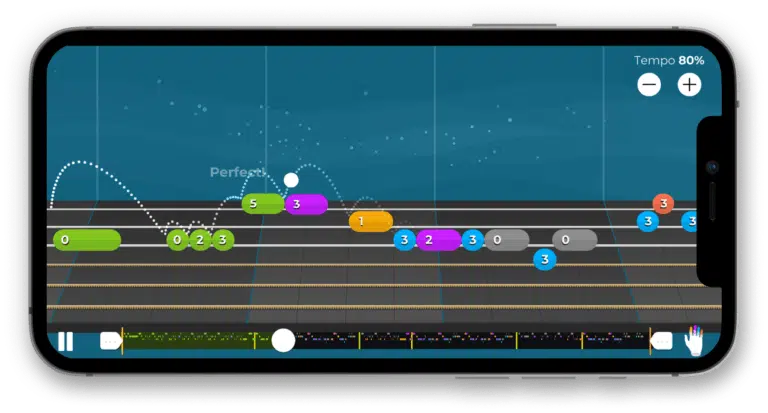
Apps such as Simply Piano, Yousician, and Flowkey have grown in popularity as fun, affordable, and accessible ways to start learning music.
✅ Best For
Absolute beginners or hobbyists who want an affordable, fun way to explore music casually.
Pros
- Affordable: Monthly subscriptions cost much less than private lessons.
- Gamified learning: Points, streaks, and levels make practice motivating.
- Play-along tools: Yousician lets you play popular songs in real time, which can be highly motivating.
- Performance tracking: Apps can listen to your playing and give scores.
- Convenient: Accessible anytime on a phone or tablet.
Cons
- Shallow learning: Covers basics but lacks depth for advanced growth.
- No personal guidance: Cannot adapt to your goals or give tailored strategies.
- Risk of bad habits: Without feedback, posture, technique, and musicality can suffer.
- Not suitable long-term: Eventually, most learners hit a wall and need a teacher for continued progress.
Top Piano teachers in Toronto (online)

Online Content (Free/Paid)
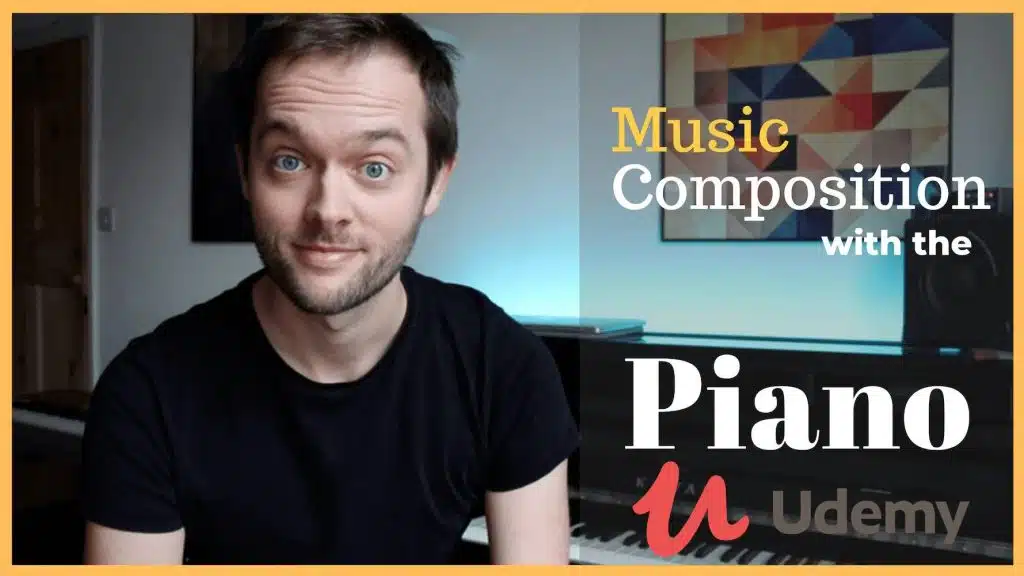
Online content includes free resources like YouTube and paid programs such as Masterclass or Udemy. These resources can be very useful as a supplement to lessons but are rarely enough to replace a teacher entirely.
✅ Best For
Budget-conscious learners or highly self-motivated hobbyists who enjoy learning at their own pace, or students who want extra resources to complement private lessons.
Pros
- Huge variety: Millions of lessons available, covering almost every instrument or style.
- Free or inexpensive: YouTube is free; paid programs are cheaper than private lessons.
- Structured paid options: Platforms like Masterclass or Udemy offer step-by-step courses, often beginner-friendly.
Cons
- Hard to navigate: On YouTube, it’s easy to feel lost without a clear learning path.
- Weak fundamentals: Without guidance, students may miss critical building blocks.
- No feedback: Once you get stuck, there’s no teacher to help you move forward.
- No personal connection: Students miss the relational and motivational benefits of working with a teacher.
- No ensemble opportunities: You can’t play with your teacher or other students.
👉 Tip: Use online content as a complement to lessons — for inspiration, exploring new styles, or reviewing material. A real teacher helps connect the dots and build strong fundamentals.
Conclusion: so what are the best music lessons in Toronto?
To summarize: Music teacher platforms like Musiprof, provide ultimate flexibility in terms of location, schedule and price because of the large amount of teachers and locations in Toronto. Music schools can be a great option for creating a sense of community through recitals and location, conservatories like the RCM provide excellence but at a high cost and apps and online content should be used as a tool to supplement your private music lessons, not replace them.
FAQ
Is a 30-minute music lesson enough?
30 minutes is ideal for children under the age of 12 who may not have the concentration for a 60 minute lesson. For adults, it will be a bit short.
How much is an average singing lesson in Toronto?
The price will range between $25-$80. At Musiprof, a music teacher platform provides a large yet curated list of teachers many price points are available. Read our article for more details on the cost of singing lessons in Toronto.
How much do piano lessons cost in Toronto
In Toronto, the going rate for private piano lessons usually falls between $50 and $60 CAD per hour. At the Royal Conservatory of Music, adult students can expect to pay around $114 CAD per hour, while pricing for children varies depending on their level of study. For highly advanced training with a university-level music professor, lesson costs typically range from $75 up to $120 CAD per hour. Read our article on the price of piano lessons in Toronto for full details.
Published on Musiprof